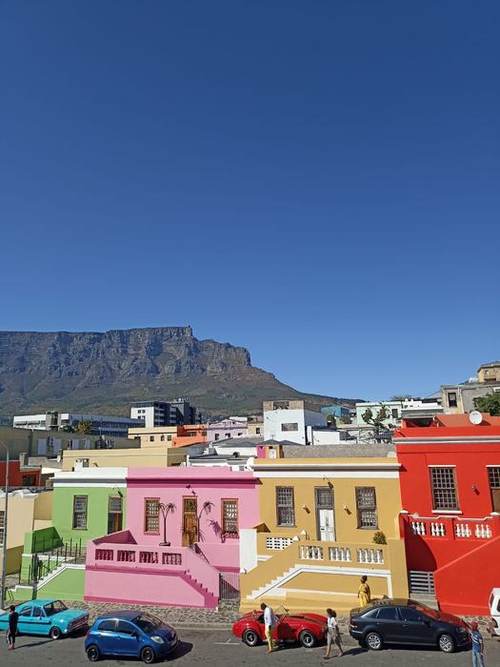
"Is Cape Town safe?" is one of the first questions almost every visitor asks me — and it deserves an honest, specific answer, not a vague reassurance or a scary headline. I've lived and guided here for over 9 years. Here's the real picture.
Yes — Cape Town is safe for tourists who take the same sensible precautions you would in any major city: stick to well-known areas, don't flash valuables, use trusted transport after dark, and get local advice for townships, hikes and anywhere unfamiliar. The tourist areas (City Bowl, V&A Waterfront, Camps Bay, Sea Point, Constantia, the Winelands) are safe by day and evening. The real risks aren't random — they're specific, known areas and situations, and once you know what they are, they're easy to avoid.
The honest picture
Cape Town's crime statistics are real, but they're also heavily concentrated in specific areas that have little overlap with where tourists actually go. The tourist and business districts — City Bowl, V&A Waterfront, Camps Bay, Sea Point, Constantia, the Southern Suburbs, and the Winelands — see millions of visitors a year with very low incident rates. The city's reputation is shaped by statistics from areas most visitors never set foot in.
That said, "safe" doesn't mean "identical to home." A few habits make a real difference here, and I'd rather tell you honestly what they are than pretend they don't matter.
Areas that are safe for normal tourist activity
- City Bowl (CBD, Gardens, Tamboerskloof, Bo-Kaap) — safe by day, busy and fine in the evening on main streets
- V&A Waterfront — privately secured, very safe, popular at all hours
- Camps Bay & Clifton — safe beachfront areas, popular for sunset drinks
- Sea Point promenade — safe for walking and jogging during daylight and early evening
- Constantia & the Winelands — very low crime, ideal for day trips
- Southern Suburbs (Observatory, Newlands, Claremont) — safe, residential, popular with students
Areas to approach with more caution
Parts of the Cape Flats and specific townships have genuinely higher crime rates. This doesn't mean they're off-limits — township tourism is a meaningful and welcomed part of Cape Town's tourism economy — but it does mean these are places to visit with a local guide or an established tour operator, not to explore independently on foot or by rental car.
Closer to the centre, the main things to avoid are: walking alone late at night through empty streets (especially around Company's Garden, the Foreshore, or parking areas after dark), and isolated stretches of beach or hiking trail with no one else around.
Practical everyday safety tips
Getting around
Use Uber/Bolt or a private driver rather than walking long distances after dark. Keep car doors locked and don't leave valuables visible inside — smash-and-grabs at traffic lights do happen.
Valuables
Keep phones and cameras out of sight when not in use, especially in busy or quiet isolated areas. Leave passports and most cash in your accommodation's safe.
ATMs
Use ATMs inside banks or malls rather than standalone street machines, and be aware of your surroundings while withdrawing.
Load shedding
Scheduled power cuts affect traffic lights and street lighting. It's more inconvenience than danger, but plan evening transport ahead rather than relying on last-minute street hailing.
Hiking safety: the risk isn't just crime
Solo hikers on Table Mountain face two separate risks: occasional muggings on quieter trails, and — more commonly — getting lost, injured, or caught out by sudden weather changes. Cloud can roll in within minutes and completely disorient even experienced hikers. As a certified mountain guide, I'm trained in mountain safety and navigation specifically because this happens more often than people expect.
"People often ask me if Cape Town is dangerous. I tell them the truth: it's a real city with real areas to be careful in, exactly like Paris, London or New York. The difference is knowing which areas — and that's exactly what nine years of living and guiding here gives you."
— Mélanie, certified private guide, Cape Town
Why travelling with a private guide changes the equation
- No risk of wandering into an unfamiliar area without knowing it
- A certified guide trained in mountain and trail safety for hikes
- A private vehicle instead of navigating public transport or walking after dark
- Local, current knowledge of which areas and times need more caution
- Someone who speaks your language if something does go wrong
Frequently asked questions
Is Cape Town safe for tourists?
Yes, Cape Town is generally safe for tourists who take normal precautions. Tourist areas like the City Bowl, V&A Waterfront, Camps Bay, Sea Point, Constantia and the Winelands are safe to visit during the day and evening. Like any major city, some areas carry more risk than others, and it pays to know which is which.
Is Cape Town safe at night?
The main tourist and dining areas (Waterfront, Camps Bay, Kloof Street, Bree Street) are generally fine in the evening if you use a car or trusted rideshare rather than walking long distances alone, especially away from well-lit main roads. Avoid isolated streets, parking lots and beaches after dark.
Which areas of Cape Town should tourists avoid?
Central Cape Town, the Southern Suburbs, the Atlantic Seaboard and the Winelands are all safe for normal tourist activity. Areas with higher crime rates tend to be certain parts of the Cape Flats and specific townships, which are best visited with a local guide rather than independently.
Is it safe to walk around Cape Town?
Walking during the day in central areas (City Bowl, Waterfront, Camps Bay promenade) is generally safe. Keep phones and valuables out of sight, stay aware of your surroundings, and avoid empty streets, especially near Company's Garden or the Foreshore late at night.
Is it safe to hike Table Mountain alone?
Solo hiking on Table Mountain carries real risks beyond crime — sudden weather changes, disorientation in cloud cover, and the mountain's genuinely difficult terrain cause more incidents than theft does. Muggings on quieter trails have also occurred. Hiking with a certified guide removes both risks.
Is Cape Town safe for solo female travellers?
Many women travel solo in Cape Town safely by following the same precautions as any major city: staying in well-reviewed accommodation, using trusted transport after dark, and avoiding isolated areas. A private guide adds an extra layer of comfort, especially for first-time visitors.
Is it safe to use Uber and public transport in Cape Town?
Uber and Bolt are widely used and considered safe — always check the driver and plate match the app. Minibus taxis are the backbone of local transport but are not really designed for tourists (no fixed stops, driven aggressively); most visitors are better off with rideshare or a private driver.
Do I need a private guide for safety in Cape Town?
You don't strictly need one for the main tourist circuit, but a private guide removes almost all the guesswork: no risk of taking a wrong turn into an unfamiliar area, no navigating unmarked hiking trails alone, and someone local who knows exactly which areas and times to avoid.
Is load shedding a safety concern in Cape Town?
Load shedding (scheduled power cuts) mainly affects traffic lights and street lighting, which can make driving and walking at night trickier. Most hotels and restaurants have backup generators. It's an inconvenience more than a direct danger, but it does mean planning evening transport in advance.
Is it safe to visit townships like Langa or Khayelitsha?
Township visits are a meaningful part of understanding Cape Town, but they're best done with a local guide or an established tour, not independently — this is standard advice even from South African tourism bodies, for both safety and the quality of the experience.
Planning your Cape Town trip?
Tell me your dates and what matters most to you — I'll help you plan the right trip.